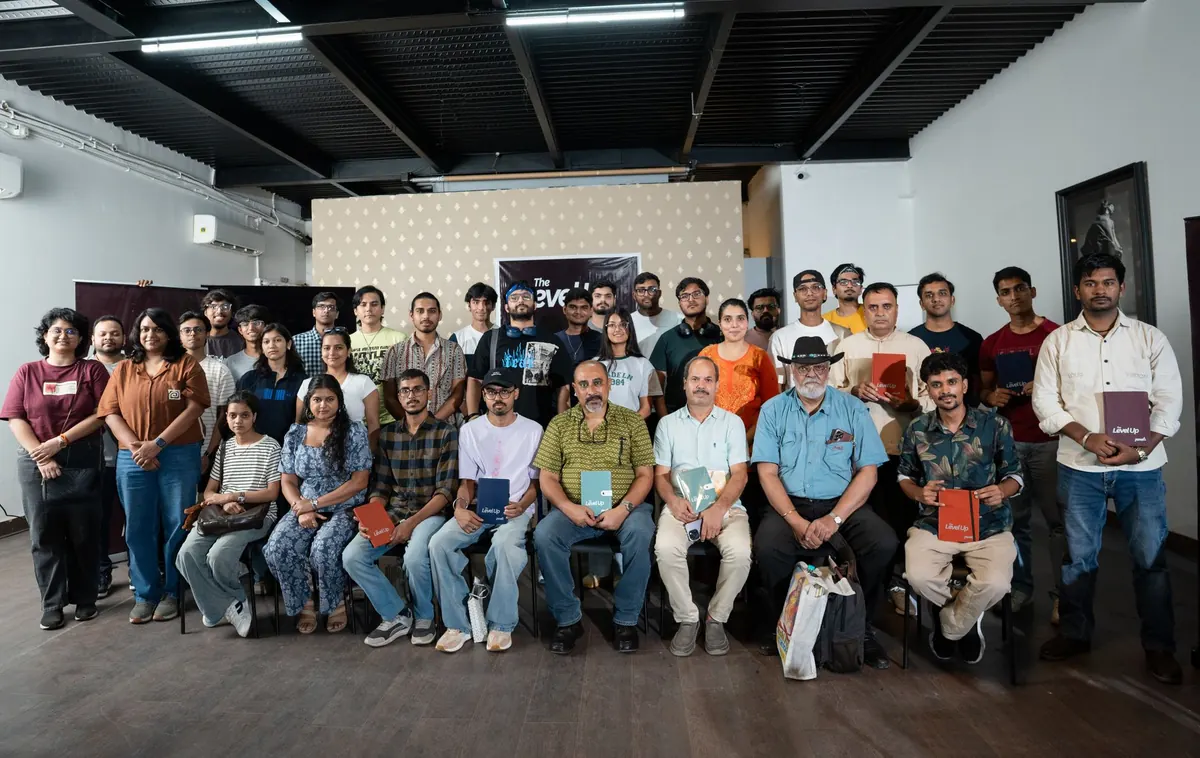
A launch is not simply a party with books stacked in the corner. It is the first time your book meets the people who will talk about it, and the way you organise that evening shapes how the book is remembered. Get the basics right and a modest event in a village hall can do far more than a polished party in a city bar. What follows is a practical order of work, from choosing a room to sending the thank-you notes.
Most authors book a venue first and then panic about who will fill it. Work the other way round: picture the readers you already have, then find a room that suits them and fits a realistic number. Forty people in a space that holds fifty feels like a success; twenty-five in a hall built for a hundred feels like a wake.
Independent bookshops, libraries, arts centres and community cafés are the natural homes for a launch, and many will host one for a small fee, a share of sales, or nothing at all if the event fits their programme. Pubs with a function room, church halls, museum spaces and university rooms all work too. Ask what is included: a microphone, a projector, a bar, a licensed kitchen, tables you can move.
Aim to confirm the venue six to ten weeks ahead. That gives you time to print posters, brief the press and let readers plan.
Most launches are trying to do three things at once: sell copies, meet readers and earn some local coverage. That is fine, but choose one as the priority. If it is sales, put the signing table somewhere people walk past rather than in a corner. If it is coverage, make sure there is something worth reporting — a reading from a book set in the town, a conversation with a local historian, a launch tied to an anniversary or a cause.
Keep the formal part to about forty-five minutes. A short reading, a conversation with a host or fellow writer, then questions. Anything longer and the room starts checking its watches. Ask a friend to act as MC so you are not introducing yourself, and give them three questions in advance in case the audience is shy.
Invite roughly three times as many people as you hope will come. A free event will draw a proportion of those who say yes; a ticketed one draws a higher proportion but fewer yeses. Either way, the list matters more than the poster.
Start with people who already know you, then widen out deliberately. Personal invitations work far better than a single broadcast post, even when the message is short. A line explaining why you thought of someone takes ten seconds to write and is the difference between a reply and silence.
Ask people to book, even if tickets are free. It gives you a realistic number for seating, catering and stock, and it gives you a list to email afterwards.
Local papers, community radio and regional magazines plan their pages and programmes weeks in advance, so send something four weeks before the event and a short reminder in the final week. Keep it to one page: what the book is, why it matters locally, the date and venue, ticket details, and a high-resolution photograph of you — not a cropped phone snap.
Independent bookshops are worth a separate approach. Ask whether they will supply stock on sale or return, take a table at the event, or feature the launch in their newsletter and on their social accounts. A bookseller who has met you is far more likely to hand-sell your book in the weeks afterwards, which is where the real value sits.
Small things carry the evening. Print a run sheet with times and give it to whoever is helping. Put a named person on the door to greet people and count them in. Set up the signing table near the exit, in good light, with several working pens and a spare copy of the book open at the title page.
Send a thank-you message within two days. Thank people for coming, name the bookseller or venue, and include one clear link to buy the book or leave a review. Reviews posted in the week after a launch carry more weight than almost anything else you can do, so make it easy and ask directly.
Then go back to the venue and the bookseller. Tell them how many copies sold, ask whether they need restocking, and offer to come back for a smaller event: a library talk, a book club visit, a festival panel. A launch is rarely the biggest audience you will ever have, but it is often the one that opens the door to the rest.
Choose a room that suits the readers you have. Invite them personally. Rehearse the reading aloud twice, time it, and cut it by a third. Decide who is doing what on the night and write it down. Send the follow-up emails. Do those things and the evening will feel warm, busy and worth repeating — which is exactly what a first chapter should do.
Photo: Swastik Arora / Pexels
A practical guide to crafting non-fiction titles and subtitles that promise a clear benefit, stay findable in...

A practical pre-submission checklist for UK agents: formatting, synopsis, word count and file naming, plus fifteen...

Pamphlets and full collections ask different things of your poems, your budget and your patience. Here is how to...

Illuminating stories, one book at a time..
