
The publishing year is not flat. It has a shape: long quiet weeks when inboxes go cold, then sudden clusters when half the competitions you meant to enter close on the same Friday. Writers who notice that shape submit more, panic less, and waste far fewer entry fees. What follows is a working map of the UK submission calendar — not a set of rules, but a pattern you can plan around.
Agents, editors and competition organisers keep their own calendars, but the broad movements repeat. There are two lulls: the fortnight either side of Christmas, and much of August, when editorial staff take leave and responses slow to a trickle. There are two peaks: spring, roughly February to May, and autumn, September to November, when competition deadlines, open submission windows and prize announcements land in a heap.
Deadlines move. Organisers shift dates, prizes pause for a year, funding arrangements change. Treat everything below as a pattern rather than a promise, and check the organiser's own page before you plan anything around it. A date you read on a listicle is not a date; a date on the prize's own submission page is.
Writers' resolutions meet real opportunity in the first quarter. Several publishers and literary agents run open submission periods in the early months — precious weeks when unagented writers can send work without an introduction or a referral. These windows are usually short, sometimes only a fortnight, and they are announced with little warning. If you follow a handful of publishers whose lists you genuinely like, their newsletters will tell you before anyone else does.
Spring is also a busy season for prizes. Awards for unpublished novels tend to cluster here, as do regional schemes such as the Northern Writers' Awards, which has traditionally had a winter or early spring deadline. Short story prizes including the Royal Society of Literature's V.S. Pritchett Short Story Prize and the BBC's short story awards have typically fallen in the first half of the year, and poetry pamphlet competitions open in similar weeks. Mslexia runs competitions for women writers at various points in the year — worth watching if you are eligible.
The practical consequence is simple. If you want something ready to send in March, the work happens in November and December. Spring submissions are won in the winter.
Late May is a fixed point for many short fiction writers, because the Bridport Prize has traditionally closed then for short stories, flash fiction and poetry. Novel prizes including the Bath Novel Award and the Bath Children's Novel Award have tended to close in the first half of the year, and the Manchester Writing Competition opens over the summer with a deadline that usually lands in September.
Then August arrives and everything slows. Agent response times stretch from weeks into months; magazine inboxes fill up. This is not the moment to conclude that publishing has lost interest in you. It is the moment to redraft, and to notice that the autumn deadlines you have been meaning to look at are now six weeks away.
Literary magazines deserve their own line here. Most UK journals read in seasonal windows rather than year-round, and many close submissions while they put an issue together. Themed issues often close several months before publication. Find five magazines that publish the kind of work you write, note their reading periods, and send to them when their doors are open — not when you happen to finish a piece.
September to November is the crunch. The Manchester Writing Competition closes. The Galley Beggar Press Short Story Prize and a cluster of flash, pamphlet and debut-novel competitions follow. University-affiliated prizes, anthology calls and agent open weeks crowd into the same ten weeks. It is entirely possible to have four deadlines in one fortnight, which is why choosing in advance matters more than enthusiasm on the day.
Autumn is also when the major prize longlists and shortlists appear — the Booker, the Forward Prizes for Poetry, the Goldsmiths Prize and others. Note something important about these: most are closed to direct entry. Publishers submit, or agents do. If your ambition points towards one of them, the submission you actually need to make is to an agent, and that can happen in any month of the year.
From mid-December into early January, offices close and submissions sit unread. Rather than posting into the void, use the fortnight to plan. Many open submission windows reopen in January, several prizes announce their next round, and agents who closed their lists in the autumn often reopen them in the new year.
Most of the last-minute panic around deadlines comes from missing documents rather than missing talent. Put these together on one quiet afternoon and you will save yourself hours later in the year:
One note on money: entry fees vary considerably, and a year of ambitious entering can cost more than most writers expect. Decide a rough annual budget before January, check whether each competition offers fee waivers or free entries for certain writers, and do not pay for anything whose terms you cannot find in writing.
A calendar is only useful if it reflects your actual writing life, so build one rather than borrowing someone else's. A workable approach:
Nothing on this calendar will write the poems or finish the novel. What it will do is stop good work from missing its moment because you found out about the window three days after it closed.
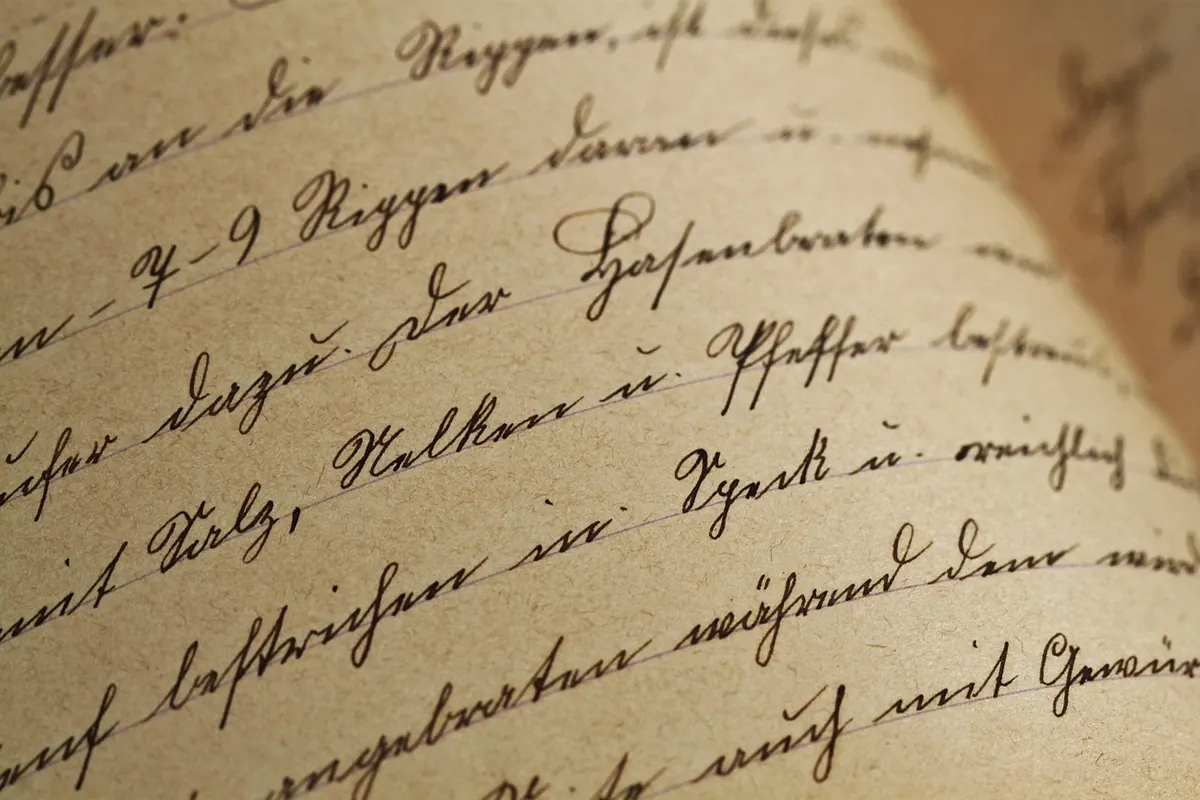
Photo: sakibmia24 / Pixabay
A practical, step-by-step guide to planning a local book launch in the UK — choosing a venue, building a guest list,...
A practical guide to crafting non-fiction titles and subtitles that promise a clear benefit, stay findable in...
A practical pre-submission checklist for UK agents: formatting, synopsis, word count and file naming, plus fifteen...


Illuminating stories, one book at a time..
