
Choosing how to publish your book is less a matter of picking a side than of understanding what you are buying and what you are giving up. Traditional publishing offers editorial partnership, distribution and an advance, but it moves slowly and takes a good deal of control out of your hands. Self-publishing gives you speed and autonomy, and hands you the bill, the production schedule and the marketing plan.
There is no universally better answer. A novelist with a strong commercial hook, a memoirist with a ready-made audience and a specialist writing for a narrow professional readership may all reach conclusions that look nothing alike. What follows is a straight look at the four things that usually settle it: time, money, royalties and control.
You finish the manuscript, you find an agent (usually), and the agent submits to editors at publishing houses. If an editor wants it, the book goes to an acquisitions meeting where colleagues from sales and marketing have their say. If it survives that, you get an offer, a contract and, often, an advance. From there the publisher commissions editing and design, pays for printing, gets the book into retailers and does a good deal of the promotional groundwork.
You are the publisher. You commission or carry out the editing, the cover, the typesetting and the proofreading. You buy your ISBNs in the UK from Nielsen, set the price, arrange print or print-on-demand, and take responsibility for reaching readers. The reward per copy is higher. The responsibility is total.
With traditional publishing, most of the waiting is outside your control. The agent search can take weeks or years. Submission to editors can take months, and a "yes" from one house often depends on a quiet week in a crowded schedule. Once a contract is signed, publication is typically twelve to twenty-four months away, because the publisher is slotting your book into a seasonal catalogue alongside everything else it is launching.
Self-publishing inverts this. The pipeline is as fast as you make it: a few weeks if you are organised, a year or more if you are careful. That speed is a genuine advantage for practical non-fiction tied to a course, a conference or a change in the law. It is a trap for fiction, where readers expect polish and where a rushed cover announces itself on the first page of a search results list. Slow down until the book is good, then publish quickly.
In traditional publishing, the author pays nothing upfront. The publisher invests, and the advance is effectively money paid against royalties you have not earned yet. That does not mean free: advances are frequently modest, plenty of debut books receive none at all, and authors are expected to do a substantial share of their own promoting.
Self-publishing moves those costs onto your side of the ledger. The main ones:
Costs vary enormously by genre and by how much you do yourself, so get itemised quotes from two or three suppliers and compare what is actually included. A single all-in figure with no breakdown is not a quote, it is a guess.
Traditional print royalties for new authors are often in the single digits, calculated either on the recommended retail price or, increasingly, on the publisher's net receipts, which is a smaller number. Ebook rates are usually higher. The important detail is that you only see royalties once your advance has earned out, and payments typically arrive twice a year against a statement. The compensation is that the publisher carried the risk, and that your agent will handle translation, audio and other subrights you would otherwise have to negotiate alone.
With self-publishing, the retail platform takes a cut and the printer takes a cost per copy, but the rest is yours. A generous percentage of a modest price can still beat a thin percentage of a higher one, so work out your earnings per copy first, then multiply by a realistic sales number rather than a hopeful one.
In traditional publishing, the title, cover, jacket copy and publication date are usually the publisher's decision, though good editors consult closely. What you get in return is genuine editorial partnership: someone whose job is to tell you that chapter nine does not work, and who has watched hundreds of books succeed or fail.
Self-publishing gives you the final say on everything, including the mistakes. Nobody will tell you that your cover signals a different genre, that your blurb gives away the ending, or that your price is out of step with the shelf you are trying to sit on. If you go this route, buy that scepticism deliberately: pay for an editorial report, ask a bookseller for an honest opinion, and listen when you get it.
Between the two poles sits a wide range of paid services. Some are professional and transparent. Others are vanity presses in modern clothing. The questions that separate them are always the same: who holds the rights, who keeps the money, and what happens if you want to leave? Treat these as red flags: a request for a large upfront payment in exchange for vaguely described services, a contract that takes rights for the full term of copyright, pressure to buy your own stock, or no clear reversion clause. Before signing anything, get the contract read by someone who works in publishing; professional bodies such as the Society of Authors provide contract guidance to members.
Two housekeeping points UK authors often miss. Books published in the UK are subject to legal deposit, which means copies must go to the British Library and other deposit libraries, so check the current requirements before you print. And register your titles for Public Lending Right and join a collecting society such as ALCS, so that library loans and secondary uses pay you what they owe.
Neither route is a shortcut. Both reward the same things: a book aimed at a specific reader, editing that respects their time, and a plan for how they will ever find out it exists. Decide which of those you can deliver, and the publishing question tends to answer itself.
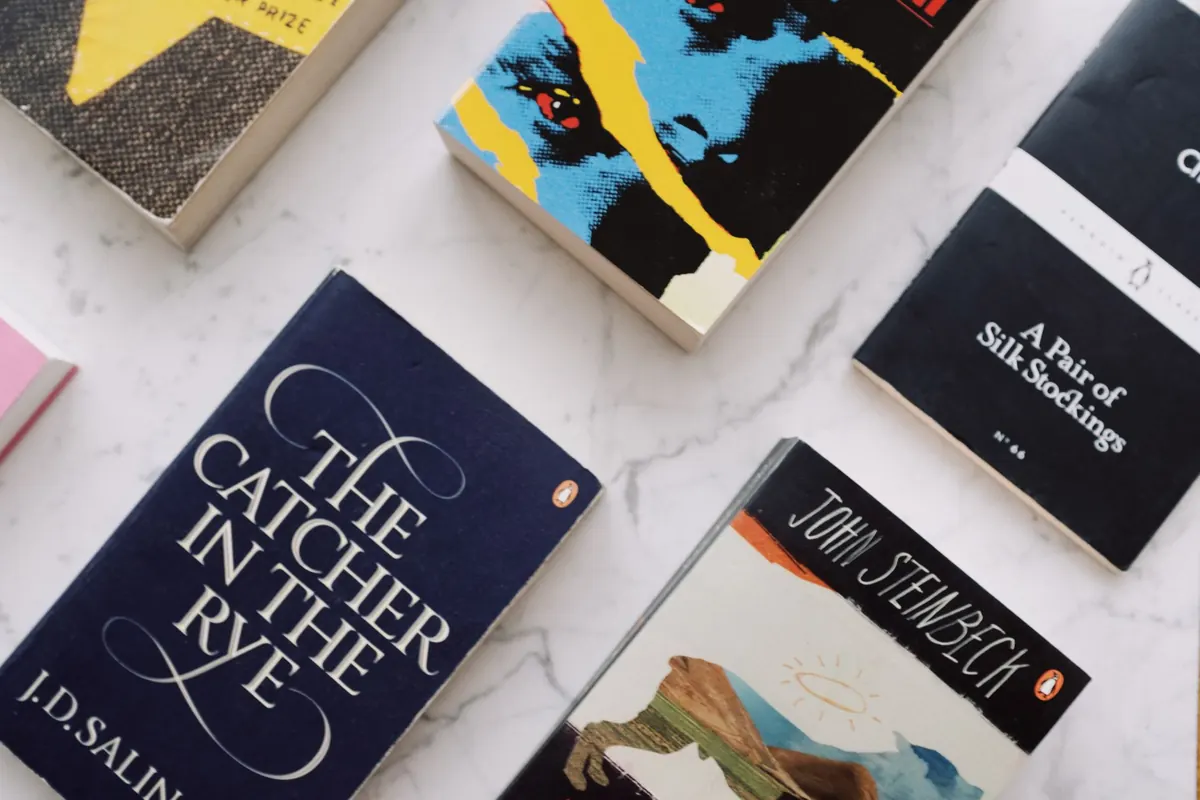
Photo: Verda Yiğit / Pexels
A practical, step-by-step guide to planning a local book launch in the UK — choosing a venue, building a guest list,...
A practical guide to crafting non-fiction titles and subtitles that promise a clear benefit, stay findable in...

A practical pre-submission checklist for UK agents: formatting, synopsis, word count and file naming, plus fifteen...


Illuminating stories, one book at a time..
